
Ingvar Kamprad and IKEA: The Småland Visionary Who Flat-Packed the World
From a small village in Småland, Sweden, Ingvar Kamprad built IKEA, transforming the furniture industry with mail-order sales and the revolutionary flat-pack concept. His journey from selling matches to founding a global empire offers lessons in resilience and customer-centric innovation.
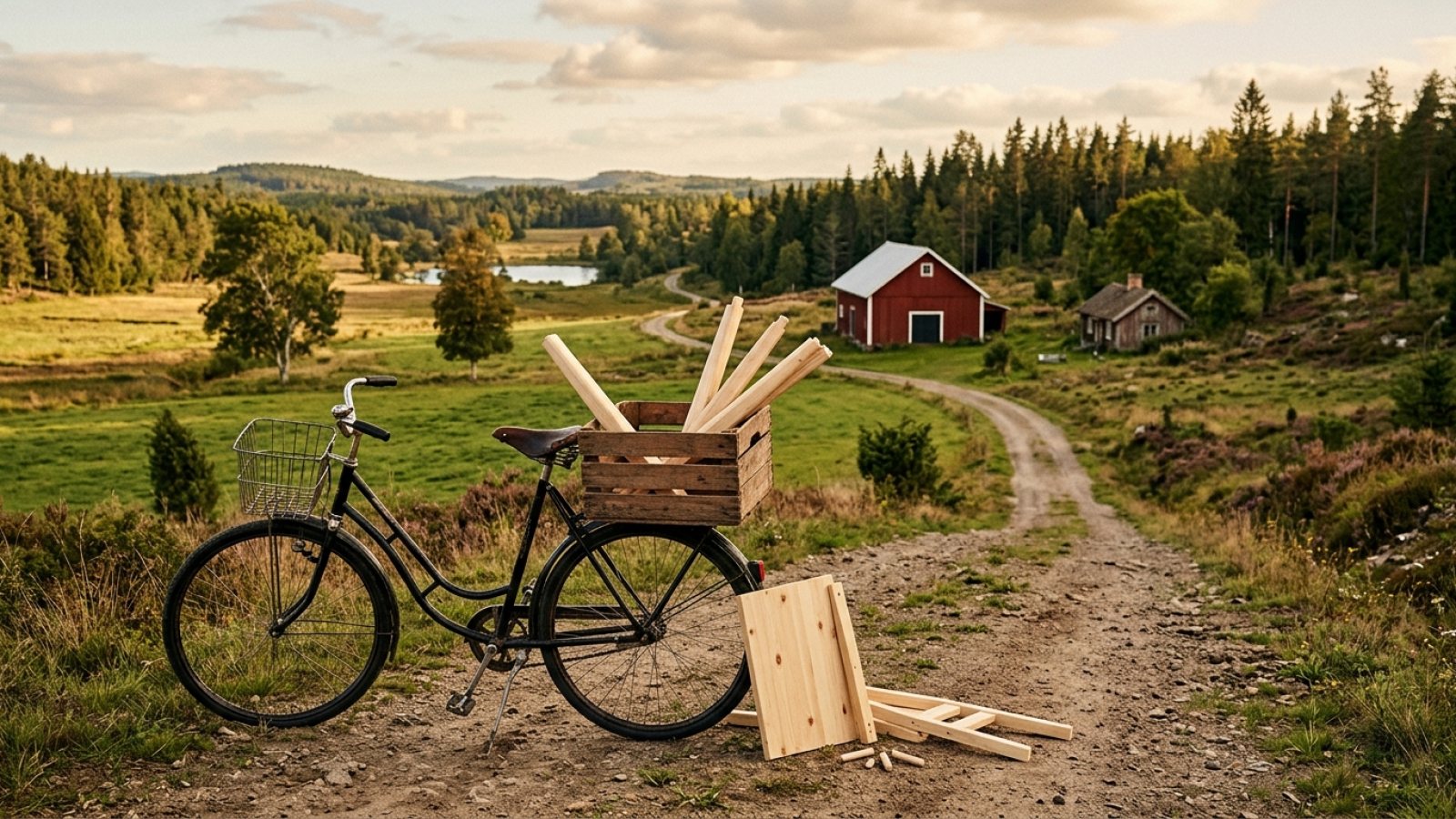
In the rugged, thrifty landscape of Småland, Sweden, a young boy named Ingvar Kamprad began his entrepreneurial journey, not with grand visions of global retail, but with a humble bicycle and a knack for spotting an unmet need. From his family farm, Elmtaryd, near Agunnaryd, the future founder of IKEA started small in the 1920s, buying matches in bulk and reselling them at a profit to his neighbours. This early experience in direct sales and efficient sourcing laid the groundwork for one of the world's most recognizable brands.
From Matches to Mail-Order Furniture
By 1943, at just 17, Kamprad officially founded IKEA – an acronym derived from his initials, his family farm Elmtaryd, and his home parish Agunnaryd. The business initially focused on selling a diverse range of goods via mail order, relying on the Swedish postal service to deliver items like wallets, pens, and picture frames directly to customers in rural areas. He sourced these products from wholesalers, always seeking the best prices to pass savings on to his customers, a practice he had honed since his days selling Christmas decorations and fish from his bicycle in the village of Agunnaryd. It was a thriving, if eclectic, operation, built on Kamprad’s tireless pursuit of efficiency and value.
The pivotal shift came in 1948 when Kamprad, ever responsive to customer demand, decided to diversify into furniture. He began working with local carpenters in Småland, commissioning them to produce tables and chairs that could be advertised in his catalogues. This move proved immensely popular, offering well-designed, affordable pieces to a market hungry for accessible home furnishings, delivered directly to their doorsteps.
The Flat-Pack Revolution and Its Costs
The success of IKEA's furniture line, however, brought new challenges. Shipping fully assembled furniture was expensive and prone to damage, increasing costs and limiting reach. The crucial innovation, often attributed to designer Gillis Lundgren in 1956, came from a simple observation: removing the legs of a LÖVET coffee table made it easier to transport and store. This accidental discovery sparked the flat-pack revolution, a concept that would fundamentally reshape how furniture was designed, manufactured, and sold globally. Customers would now assemble the items themselves using simple tools and clear instructions, cutting costs significantly and allowing for compact, efficient warehousing and transport.
This radical approach was showcased in IKEA's first dedicated furniture showroom, opened in Älmhult in 1958, where customers could see, touch, and even sit on the furniture before placing an order. This direct-to-customer model put immense pressure on established furniture retailers. In response, they pressured Swedish suppliers to boycott IKEA, refusing to provide goods to Kamprad's burgeoning enterprise. This hostile reaction, however, only strengthened IKEA's resolve. Forced to develop its own designs and establish relationships with new, often international, manufacturers, IKEA gained greater control over its supply chain, driving down costs and enhancing its distinctive aesthetic. It was a stark lesson in resilience, proving that adversity can forge stronger, more independent business models.
Kamprad's long career was not without its shadows. In the 1990s, details emerged about his association with pro-Nazi groups in his youth during the 1940s, an association he later described as the "greatest mistake" of his life and for which he publicly apologized. While Kamprad distanced himself from these views, the revelations cast a complicated light on the founder's early life and the company's journey, serving as a reminder that even visionary entrepreneurs can have complex personal histories and that ethical responsibility evolves over time.
A Global Legacy of Democratic Design
From a single catalogue, IKEA blossomed into a global phenomenon, its blue-and-yellow stores becoming ubiquitous landmarks across continents. The company's enduring success lies in its commitment to what it calls "democratic design" — a combination of good form, function, quality, sustainability, and low price. This philosophy, born out of Småland's frugal spirit and Kamprad's early lessons in efficient trading, democratized modern home furnishings, making stylish and functional design accessible to millions.
Today, IKEA's influence extends far beyond its furniture. It pioneered the large out-of-town store, the self-service model, and the unique in-store experience that encourages customers to interact with products and even enjoy a meal. Ingvar Kamprad, who passed away in 2018, built an empire not on fleeting trends, but on a steadfast belief in optimizing every step from design to delivery, a system designed to deliver value directly to the customer. Kamprad's story demonstrates that true innovation often comes from relentless problem-solving, a willingness to challenge established norms, and an unwavering focus on the customer's practical needs, even in the face of intense resistance.
